You may be asking yourself why I use peat-free compost to grow my plants. After all, you don’t see a lot of it for sale at garden centres, so surely it can’t be that important to use it… can it? Perhaps you’ve never really thought about what peat is and where it comes from? So first of all, let’s take a look at what peat is.

Peat is formed from plants, typically mosses, sedges and shrubs, growing on waterlogged land. Each year new plants grow and die, but due to the lack of oxygen in the boggy conditions, the plants don’t fully decompose and consequently layers of plant material gradually accumulate over hundreds and thousands of years to form peat.
Peat formation is incredibly slow, growing at just 1mm a year, so a 1m build up of peat is a thousand years old! For a natural resource to be sustainable, it must be replenished at the same rate that is being used, but we use peat in the gardening industry at a far greater rate than it forms.
So, peat extraction is non-sustainable. I suppose the next question is… why are peat bogs so important? Why do we need to protect them? Here are a few reasons…

Biodiversity
You might think that peat bogs are a bit of a wilderness with nothing much going on. In reality they form a unique and important habitat for a wealth of plants, animals and insects.
Some of the plants you might find growing in the peatlands of the UK are the insect-eating sundews, fluffy-headed cotton grass, ruby-red cranberry and the pink flowers of bog rosemary.
Peatlands are also provided nesting and feeding grounds to rare wading birds such as dunlin as well as habitats for multitude of insects including dragonflies, large heath butterflies, bog bush crickets, emperor moths and jewel beetles.
Carbon Storage
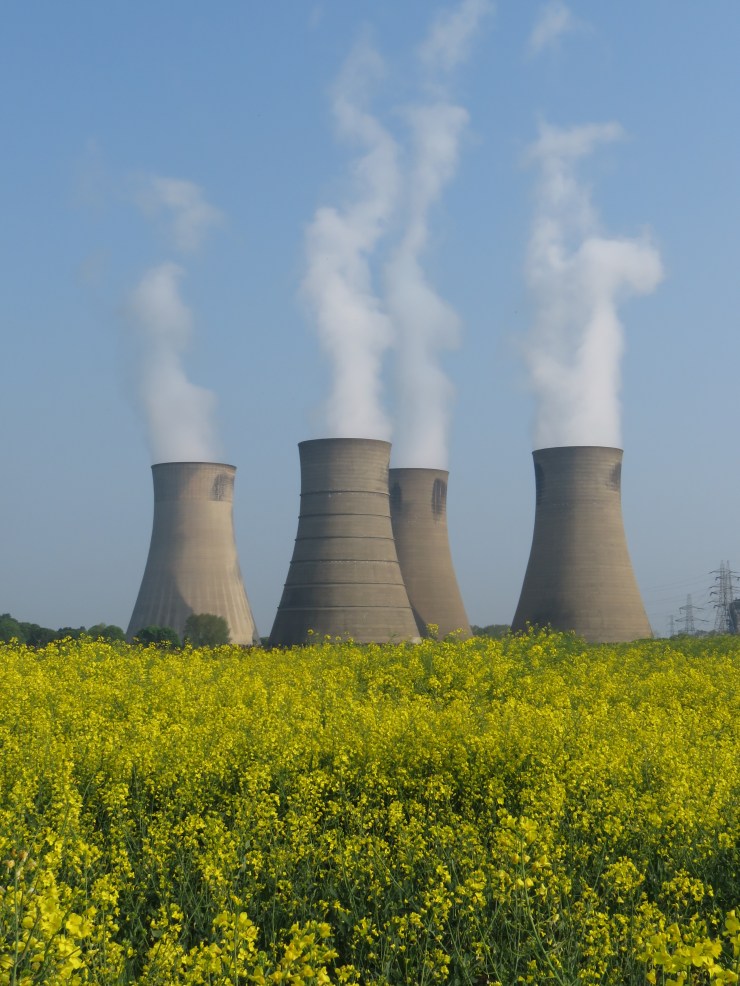
The UK’s peat bogs have been likened to the Amazon rainforest because they are at least as important as trees in absorbing and storing CO2. As peatland plants don’t fully decompose, the carbon fixed by the plants during their lifetime is ‘locked up’ in the peat, where it will remain if left undisturbed.
When peat is extracted, the bog is drained, resulting in the decomposition of plant material. This releases its stored carbon back into the atmosphere, thereby contributing to climate change.
“Peat is just ‘baby’ coal”
John Walker, Digging Deep in the Garden Book 4 (The Peat Delusion)

Water Management
Peatlands help to protect against flooding and keep our water sweet.
The mosses in peat bogs can hold many times their weight in water, curtailing floods. Healthy peatlands can reduce flood risk by slowing the flow of water from the uplands and by providing floodplain storage in the lowlands. They also help to filter water as it enters streams helping aquatic life such as salmon and trout to thrive.

Historical Archive
Because peat bogs can be thousands of years old they contain layers of historical data. By examining a section of peat, scientists can tell what our landscape was like, what type of animals colonised the area and what weather conditions prevailed.

